What’s this blog all about then?
Students working collaboratively to create on-campus audio trails.
So, it’s about using AI (I mean AI is everywhere, right)?
No, this doesn’t involve AI (although it could – more on that later). But it does involve AR.
AR, is that like VR?
Not quite, VR (virtual reality) involves fully simulated environments, whereas AR (augmented reality) overlays digital elements on real-world environments.
Like Pokémon Go then?
Yep, that involves visual projections but in my example it’s all about using audio to enhance the listeners’ interaction with the space they’re in.
I asked Science Communication for a Better Planet MSc students to create an engaging audio trail experience in the heart of Bristol that connects their audience with urban biodiversity and communicates nature-connection related content to their audience.
Nature Connection, what’s that?
It’s a psychological construct all about how connected we feel to nature, how much we think about nature and how much feel we are a part of the natural world around us. There are established ways to measure it.
Why do you want students and listeners to know more about this?
Well, the climate emergency and biodiversity loss are signs that the relationship between people and nature is failing. Research shows that higher nature connectedness scores are positively correlated with enhanced pro-environmental behaviour and pro-nature conservation behaviour. But it is also related to improved wellbeing.
Why not just ask your students to go on a walk and observe stuff then?
We should definitely do more of that, but I wanted to create a task where students would working collaboratively to conduct subject-relevant research about their local area, but also hone their communication skills (including audience awareness and storytelling), develop their digital literacy, practice their time management and have a shareable product that they would feel proud of.
It sounds a bit like that podcast stuff I’ve seen you do.
That’s kind of you to mention it 😊 It’s similar, but a key difference here is that while the podcast assessments are largely desk-based affairs, this task invites students to get stuck in with local spaces around campus – such as Royal Fort Gardens, Brandon Hill and the harbourside. The aim is for them to develop all those valuable skills but also to connect with their city; the wildlife they need to research AND their Bristolian audience. Asking them to create self-guided audio trails was a way to combine a variety of skills but also generate something that was valuable to others beyond the task.
Like the University FOR Bristol?
I suppose so.
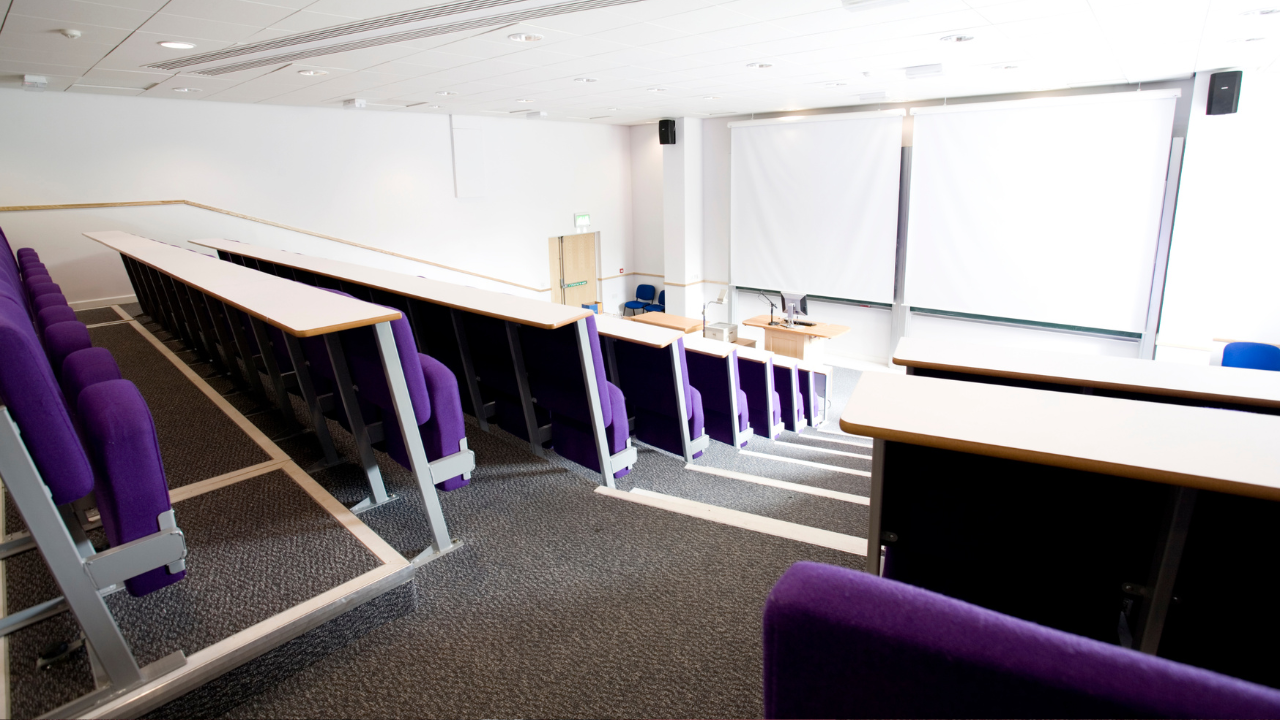
Students ventured out of our boxy, sterile learning spaces and stepped into the natural environment where they engaged with their learning in a more active and exploratory way. I’m just getting started with this but would envisage there being moments of discovery, improvisation, and laughter. These moments will hopefully contribute to a deeper engagement with both their subject matter and their locality which should also foster a greater sense of belonging while studying here at Bristol.
Hang on, what about all the AR stuff you mentioned though?
Ah yes, we got a bit side-tracked. Well as students design the routes that they want their audiences to follow, they are tasked with using storytelling and sound to augment reality and illuminate elements of local natural spaces that might otherwise go unseen or unheard. They could focus on change through time, uncover unheard natural sounds, or wherever their creativity lands them on that’s relevant to the biodiversity in their location.
So how did the students get on?
They absolutely nailed it. Each trail route consisted of 6-7 stops (including a start and finish) and the audio at each stop was between 30-90s long. Some took the audience on a journey through time, others grounded the narrative in folklore, fairytale and foraging. We considered Bristol’s maritime past, thought about carbon capture and inevitably hugged a tree. We walked all six trails in a finale event and gave instant peer-feedback and plenty of well-deserved praise.
I’ve been in Bristol since 2005 but discovered many new gems on these well-trodden routes, such as the glow-in-the-dark spiders that live in the crevices of a wall on Brandon Hill. Audio Trails can take locations that feel familiar or ordinary and layer a visitors experience with story, intrigue, beauty, and perhaps significance and meaning.
It sounds fun, but is this just for nature/environmental people?
Not at all. Audio trails are commonly used in museums and exhibitions so are well suited to arts and humanities students, especially historians. If you can think of a local space that is accessible and holds some subject-relevance, then you’re off to a good start.
I reckon it’s this connection with a local space that often makes learning memorable for students and might help to extend the impact of learning beyond the unit or programme.
You said it could involve AI, tell me more.
I told students that they were free to use AI as much as they wished but that they should discuss the various pros and cons which we considered during a prior seminar, including the ethical and environmental impacts associated with AI. The only rule was that nobody should be forced to use AI against their will.
So, they just made it all using AI then?
The opposite, nobody used it.
And you believe them?
Yep, we’ve got a good rapport, I trust them and there’s little reason to lie about their use given as they were allowed to use it and this task was only formative rather than a summative assessment.
While AI could be used for plenty of the aspects of this task (and therefore develop digital literacy in an alternate way) I think that much of the experience is pretty AI proof as it depends on being physically present in a place and on capturing the nuances of that environment. It also places emphasis on group work dynamics including shared decision-making. Students could see it was quite a fun task from the outset too, which boosted motivation to engage their human intelligence and creativity.
Ah, it was formative, surely you wouldn’t attempt something like this as a summative assessment though?
There are no plans to do so within this unit, but I don’t see why not. If you’re someone that gets all sweaty thinking about marking group assessments, then one option could be to set a team-produced audio trail as their task but then request a structured reflection as the summative submission. We reflected together as a cohort during our finale, and I think this further enriched the experience; at least it did for me!
Can we listen to the students’ trails?
The plan is to make some of them available this autumn as part of the University’s 150 anniversary celebrations. So, watch this space.
Andy Wakefield,
Co-director Science Communication for a Better Planet MSc
School of Biological Sciences



Leave a Reply