Over the past few weeks, we’ve been hearing from students about what it is actually like to learn in the new Sloane Robinson Building at Temple Quarter.
Through a short online survey, we asked students about their overall learning experience, what they valued about the new spaces, and what they thought could be improved.
And quite a few students had something to say: 613 students responded, giving us a 16% response rate among students studying at Temple Quarter.
So, what did they tell us?
Overall, a positive experience
Lets’ start with the overall picture.
Students were asked to rate their learning experiences in the Sloane Robinson Building from 1 to 5. The average rating was 4.09 out of 5. In total, 79% gave a rating of 4 or 5, while only around 4% gave a negative rating.

So overall, students seem to be responding positively to learning in the new building. And their comments tell us much more about what they actually value.
What are students enjoying?
Looking across the positive comments, six main themes came through.
- Learning and Academic Success. Students felt that spaces supported concentration, motivation and academic productivity.
- Collaboration and Social Connection. Students valued spaces that enabled active and collaborative learning, helping them connect with their peers and participate more fully in teaching activities.
- Flexibility and Inclusive Learning. The flexibility of the spaces meant that they could support different teaching approaches and different ways of learning.
- Access to Facilities and Resources. Students valued having technological, study and support facilities available to them, making learning more convenient and accessible.
- Space and Comfort also mattered. Having enough room reduced feelings of crowding and made it easier for students to study, socialise and move around the building.
- Institutional Investment and Belonging. For some, the quality of the new spaces signalled investment in students and contributed to feelings of pride, value and belonging within the University community.
The physical look and feel of the building came through strongly across these comments too. Students descried the spaces as modern, new, fresh and innovative, as well as clean, well-maintained, spacious, open, comfortable, and well-designed. Some of the comments were particularly enthusiastic: students described the building as “inspiring”, “refreshing”, “sleek”, and “a breath of fresh air”. One comment perhaps summed it up most simply: “it makes me actually want to study”.
Taken together, the responses suggest that students value not only what the spaces allow them to do, but also how the spaces themselves feel to learn in.
What feels different?
We also asked students what felt different about the Sloane Robinson Building compared with other learning spaces at the University, and we visualised the responses in this word cloud.

Some of the significant words in their responses were collaboration, engagement, flexible and discussion. Around them were words including seminar, immersive, social and mobility.
Overall, the responses suggest that students see these spaces are supporting more collaboration, group work, discussion, and interaction than the learning spaces they may be more familiar with. One student said:
“It feels much more interactive and less formal. Instead of just sitting and listening to a lecture, the layout encourages us to discuss ideas with peers and work together on practical tasks, creating a more dynamic learning environment.”
What are the challenges?
Of course, the responses also highlighted some things that were not working so well. These fell into five main areas.
- Connectivity and Digital Access. Poor Wi-Fi and mobile signal were the most common issues in this area. Students reported difficulties access Blackboard, completing check-ins, using online resources and maintaining a reliable internet connection during classes.
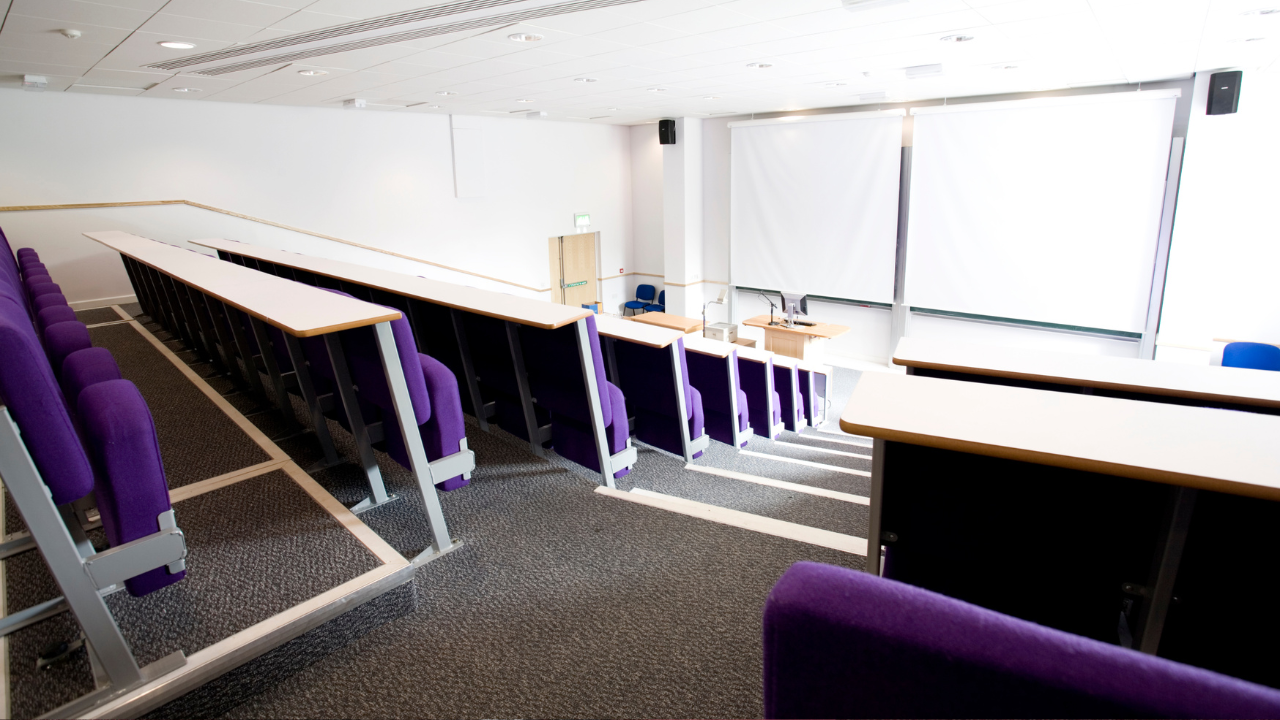
- Teaching Space Design and Visibility. Room layouts, screens and pillars could sometimes obstruct students’ views of lecturers or presentation materials. Although active learning spaces were valued for collaboration, some students felt that they were not always well suited to lecture-style teaching.
- Navigation and Accessibility was another recurring challenge. Students mentioned difficulties finding rooms, understanding the building layout, using lifts and accessing some spaces with UCards. These problems appeared to be particularly noticeable for students who were new to the University.
- Travel and Campus Location. The time, cost and inconvenience of travelling to Temple Quarter were mentioned frequently, particularly when students needed to move between campuses or attend classes in different locations on the same day.
- Study Environment and Comfort. These included noise in open-plan spaces, limited quiet study areas, insufficient charging points, overcrowding and a lack of suitable desk-based study space.
Noise was also something students connected directly with learning activities. As one student explained:
“Sometimes, background noise and conversations during group activities can make it difficult to concentrate. Apart from that, the spaces are comfortable and suitable for learning.”
There is one thing worth keeping in mind here. Many of the students who responded to the survey were Master’s students. Some issues – particularly connectivity and navigation – may therefore also be part of the wider experience of being new to the University, rather than problems specific to the Sloane Robinson Building itself.
What could we take forward?
So, what could be improved?
Some of the suggestions are fairly practical: improving digital connectivity and access, and making building navigation clearer.
Others relate more directly to teaching and learning. One is to think carefully about matching teaching spaces to teaching activities, particularly where different room designs work better for different forms of teaching.
Another is inclusivity around group work. For example, if collaborative activities increase noise levels, it may be worth considering how this affects students who find it more difficult to concentrate in that environment.
Finally, there may be value in setting clearer expectations around active learning and explaining the rationale behind it, so students could understand why particular activities and approaches are being used.
Overall, there is a lot that students value about learning at Temple Quarter: the quality of the spaces, the opportunities for collaboration, the flexibility, the facilities and simply having a modern and comfortable place to learn.
At the same time, their responses give us a fairly clear picture of where the experience could still be improved: both in the practicalities of using the building and in how the spaces are used for teaching and learning.
Does this reflect your own experience of learning at Temple Quarter? Or do you have ideas about how we could make active learning and teaching work even better in these new spaces?
Come and have your say! We’d love to hear what you think.



Leave a Reply