Many qualitative research methods such as focus groups, case studies and interviews are used in paedology and all of these methods are invaluable in making progress in the ways that education is conducted. At the beginning of the year, all these options and more were presented to me for conducting my research. However, while exploring these methods, I felt as though the main these main methods wouldn’t be able to stay true to the title of ‘agency and choice’, in assessment, which already elicits such an emotive response.
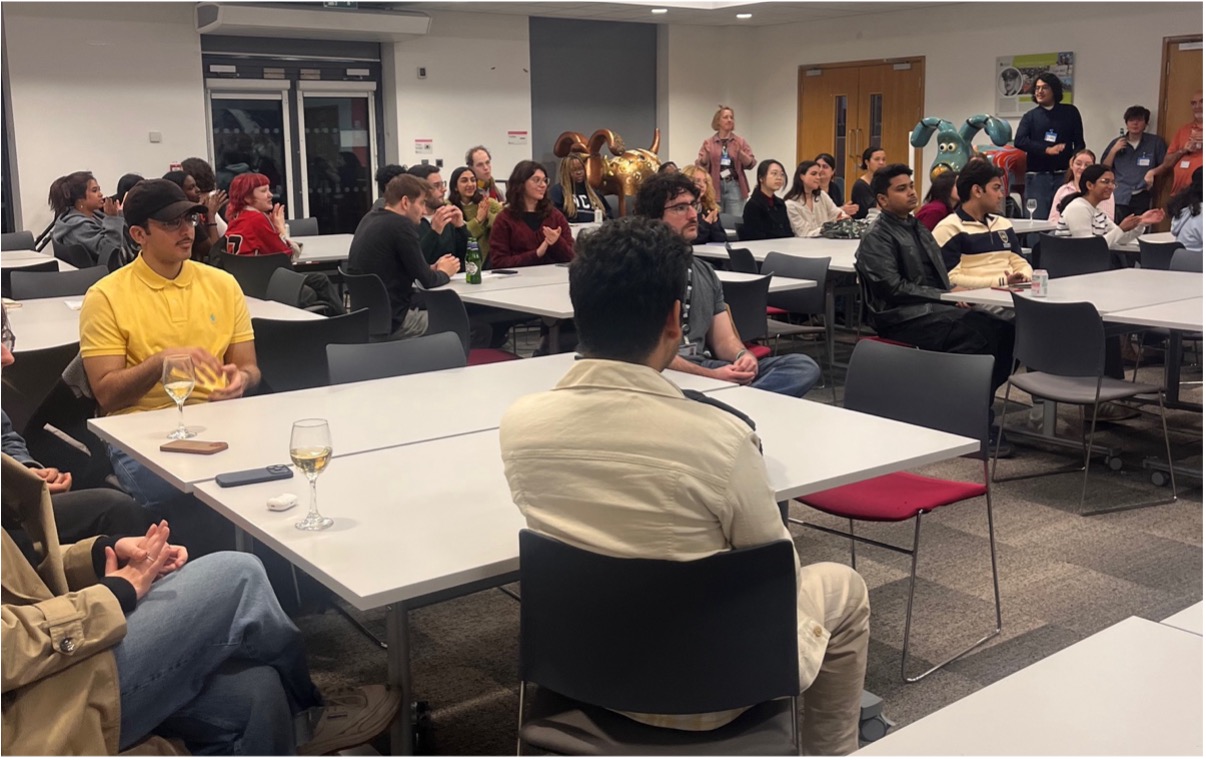
Whilst I was considering all these methods, I came across art-based research (ABR. ABR is a research method that uses artistic tools and methods such as pens, pencils, paints etc. to produce artistic expressions to examine the experience of people involved in the research (McNiff, 2008). The benefit of using ABR is that it can reach a wide audience by utilising not only the writing of students, but by capturing the attention of the observer though visual means to portray exactly what a piece of writing can in just a couple seconds (Leavy, 2020). Through this, ABR can be an emotive yet useful and accessible research technique. Moreover, ABR allows students the freedom to create with whatever medium they chose in whatever way they want to present it; there is an element of agency which can be expressed in the art forms they produce. After careful planning, I decided to carry out an ABR focus group where I asked students to create an art piece that describes what optimal agency and choice in assessment looks like for them. This first blog will be showing the art pieces that the students produced, a small content analysis and my overall observations of the focus group. If you are interested in my methodology for this ABR focus group, I will release a second part with a more detailed analysis of these event and my overall thoughts of how it went.


CONTENT ANALYSIS AND MAIN THROUGHLINES IN THE ARTWORK:
After analysing the pieces, I did a content analysis of common words that were mentioned in each art piece/ topics that discussed this:
| Topic/word | Frequency of its mention across all art pieces (7 art pieces in total) |
| Research | 4 |
| Choice | 6 |
| Range | 4 |
A throughline that I found with most students is that there is a want for more agency in assessment in specific contexts. Students want to feel like the work that they are researching can have a novel impact in the area that they are studying. And when they are not conducting their own personal research, their assessments can mirror an environment that is akin to a professional working context or an office. For example:
- More lecturer-student interaction during the assessment, akin to a manager-employee relationship in a working environment, where regular meetings are held to catch up on projects. In this case, it would be regular lecturer-student one-to-ones to discuss the assessment and then subsequent meetings during the assessment period.
- All assessments being open book. This would be in a similar way to a normal professional work environment where most workplaces do not require you to memorise masses of information – for there is no need to do this in a work environment
- Hands on experience in your field of study was also a common theme that brought up. For example, a continuous assessment that contains multiple elements that require a high level of engagement (e.g. data collection/research data analysis data presentation)
CONCLUSION
I will release a blog that contains the full report of the process of this event, limitations and a detailed conclusion. But overall, as the world enters an era on uncertainty, I hope to see waves of students at all levels given the agency to do their own research wherever they can. To quote on of the student’s art pieces “You are not just teaching present students, you are educating the future”.
REFERENCES
Leavy, P., 2020. Method meets art: Arts-based research practice. Guilford publications.
McNiff, S., 2008. Art-based research. Handbook of the arts in qualitative research: Perspectives, methodologies, examples, and issues, pp.29-40.



Leave a Reply