Since 2020, I’ve been supervising summer Master dissertations, and I’d like to share some practical tips that other instructors might find helpful. To provide some context, my dissertation group consists of students of a one-year Master’s program in Economics. The focus of my group is on empirical research using data, and most of my students are international, with little to no prior experience in writing dissertations.
To guide them effectively, I asked myself a fundamental question “Why do my students find dissertation writing so challenging?” I identified a few key reasons: Writing a dissertation is (i) a large and complex project, (ii) requiring independent work and (iii) demanding a variety of skills. In addition, (iv) it needs to be completed in a relatively short period (in our case, just four month!). To help students overcome these challenges and complete this demanding course, I’ve developed a few strategies:
- Break It Down into Manageable Steps
The first key to success is to break the dissertation process into clear and manageable steps. The exact number of steps depends on the topic and methodology, but I find that 5-10 steps work well (I typically use 7 steps). If there are too few steps, each one can demand too much effort and time, leading to exhaustion; too many, and students may feel overwhelmed by the number of steps. For each, I clearly outline my expectations and the required skills. During meetings, I always refer to this step chart to track progress. This approach helps students assess their current position and allows me to provide timely, targeted support. I also give the clear direction that students want to do after each step.
Select the images to enlarge.
Figure 1: Example Step Chart.


2. Streamline Time Management
Time management is crucial for independent work. Students often spend too much time trying to choose the perfect topic or delay getting started. To counter this, I encourage them to define their research topic and questions as early as possible. After a brief lecture in the first session, I ask them to present their chosen topic and the resources they’ll need in the second meeting. The peer presentation encourages students to take responsibility and feel the need to act promptly. Additionally, I set deadlines for each step (so, 9 deadlines in total for my class), which helps students stay on track. These deadlines also make it easier for them to recover quickly if they fall behind.
3. Clarify the Skills Needed
It’s essential to identify the key skills required for the dissertation —in my case, writing, data analysis, and statistical techniques. While most of my students have strong technical abilities, they often lack experience in writing dissertations and struggle with difficulty writing in English. I recommend that they select their own key papers they admire and use them as writing models. Before submitting the final dissertation, I suggest they review it in at least different formats—Word document, PDF, and print—as it can help catch typos and errors that may not be noticeable otherwise.
4. Provide Practical Resources
Providing students with practical resources they can use immediately is crucial. While textbooks and foundational research papers are important for grasping the overall flow and context of models, time constraints often make it impractical to rely solely on these (and I think it is unfair to expect students to know and understand all of them). Considering these limitations, I focus on sharing resources that offer direct and immediate help—such as accessible books with specific page references, YouTube lectures, and lecture notes from other instructors. I also encourage students to share these resources within their groups.
5. Manage Expectations
Finally, managing expectations is also important. In the first meeting, I remind students that dissertations rarely go exactly as planned and that the process is inherently challenging. Many students panic when their results don’t meet their expectations, but I reassure them that this is a common experience. I emphasize that I am here to help and encourage them to reach out without hesitation if they’re stuck on a problem for more than a week, reminding them that we can always find a way forward together.
The dissertation journey becomes much smoother when it’s broken down into clear steps, with defined expectations and necessary skills identified upfront. This approach is based on my experience and may not apply to every course. However, as supervisors, we must remain mindful of the challenges our students face. I experienced this firsthand while working on the CREATE fellow scheme, which reminded me of the challenges students face when approaching something new and unfamiliar (Naturally, I kept delaying it and, in the end, found myself off track, ultimately missing deadlines and waiting for the next opportunity to submit my work).
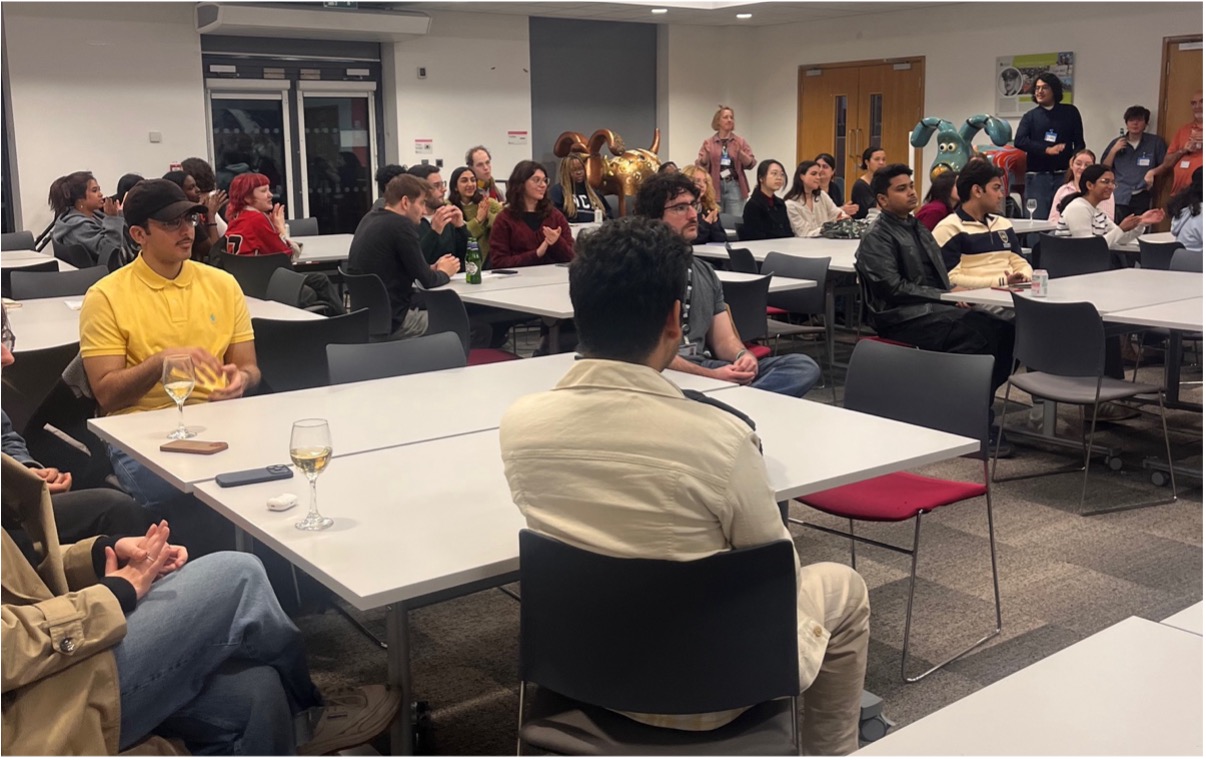
The methods I’ve used so far have been quite helpful in guiding students, but I plan to continue refining them. One idea I want to implement next year is a “writing retreat,” inspired by the support I received from the CREATE team. This retreat provided a sense of community, motivation, and a dedicated space for writing, with the advisor available for questions. I expect that incorporating a writing retreat into the dissertation process will offer similar benefits to my students.



Leave a Reply